How to Create a Delicious Caribbean Menu at Home
Recreating island flavours in your own kitchen is one of the most rewarding culinary experiences you can have. Caribbean cuisine is known for its bold seasonings, slow-cooked comfort dishes, and recipes that tell stories of culture, migration, and celebration. Every dish reflects a blend of influences shaped by history, geography, and tradition, resulting in food that is rich in flavour and meaning. With the right approach, you can build a complete Caribbean Menu at home that feels authentic, vibrant, and deeply satisfying. From understanding foundational spices to mastering simple cooking techniques, preparing Caribbean dishes is as much about intention as it is about ingredients.
This guide explores essential flavours, thoughtful menu planning, and presentation tips to help you recreate the warmth and energy of the islands, transforming everyday cooking into an experience that feels special and memorable.
Understanding the Soul of Caribbean Cuisine
Caribbean cuisine is not defined by a single flavour or technique. Instead, it represents a fusion of African, Indigenous, European, and Asian influences shaped by history and geography. Each island brings its own twist, but the soul remains the same: food cooked with intention, patience, and generosity.
At the heart of a successful Caribbean Menu is balance. Heat from peppers is softened by sweetness, richness is lifted by acidity, and spices are layered rather than overwhelming. Meals are often communal, designed to be shared, reinforcing the cultural importance of togetherness.
Understanding this philosophy will help you cook with confidence rather than simply following recipes.
Essential Pantry Staples for Island Cooking
Before you begin cooking, it’s important to stock your kitchen with the right ingredients. Caribbean food relies heavily on fresh aromatics and warm spices rather than processed sauces.
Must-have pantry and refrigerator staples include:
- Allspice, nutmeg, cinnamon, and dried thyme
- Fresh garlic, onions, ginger, and scallions
- Scotch bonnet or habanero peppers
- Coconut milk, coconut oil, and brown sugar
- Citrus fruits such as lime and sour orange
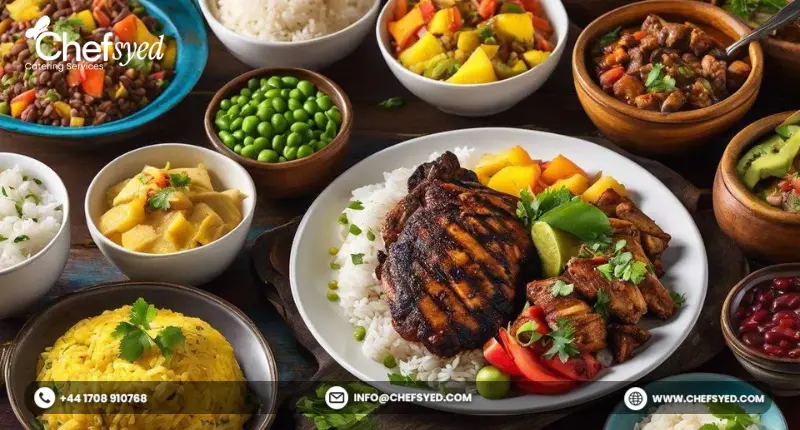
Proteins like chicken, fish, shrimp, and goat are commonly used, while starches include rice, peas, plantains, and root vegetables. These basics allow you to create a flexible and authentic Caribbean food menu without unnecessary complexity.
How to Plan a Well-Balanced Home Feast
Planning is what separates a good meal from a memorable one. Rather than focusing on individual dishes, think in terms of structure. A well-rounded Caribbean spread usually includes:
- One bold, flavorful main
- A comforting starch or grain
- A vegetable-based side
- A light yet satisfying dessert
Choose one hero dish and build around it. This approach prevents flavor overload and ensures each component complements the others. A thoughtfully planned Caribbean Menu should feel rich but not heavy, exciting but not chaotic.
Spacing out cooking times and preparing marinades in advance also reduces stress and improves flavor.
Cooking Techniques That Define Caribbean Flavor
Caribbean cuisine is as much about technique as it is about ingredients. Slow cooking, grilling, roasting, and pan-searing are commonly used to develop depth and complexity.
Marination is essential. Proteins are often seasoned for hours, or even overnight, before cooking. This allows spices to penetrate deeply, resulting in richer, more cohesive flavors. Grilling adds smokiness, while slow simmering enhances tenderness and aroma.
Many home cooks draw inspiration from professionally curated menus like the grace pot caribbean menu, which demonstrates how traditional cooking methods can be refined without losing authenticity.
Layering Spices Without Overpowering the Dish
One misconception about Caribbean food is that it’s all about extreme heat. In reality, spice is used strategically. Each ingredient has a role, and balance is key.
Start with aromatics such as garlic, onion, and scallions. Add dry spices gradually, tasting as you go. Heat should enhance, not dominate, the dish. Coconut milk, citrus juice, or even a touch of sugar can help mellow excessive spice.
When building your Caribbean Menu, aim for contrast: spicy mains paired with mild sides, rich sauces balanced by fresh elements.
New Section: Vegetarian and Seafood Options for Variety
Caribbean cuisine offers excellent options for those who prefer lighter or plant-based meals. Vegetables, legumes, and seafood are deeply rooted in island cooking traditions.
Seafood dishes are often simply seasoned and quickly cooked to preserve freshness. Vegetarian meals frequently feature beans, lentils, squash, cabbage, and leafy greens enhanced with herbs and spices.
Including these options adds diversity to your table and makes your meal more inclusive without sacrificing flavor or authenticity.
Creating an Authentic Dining Experience at Home
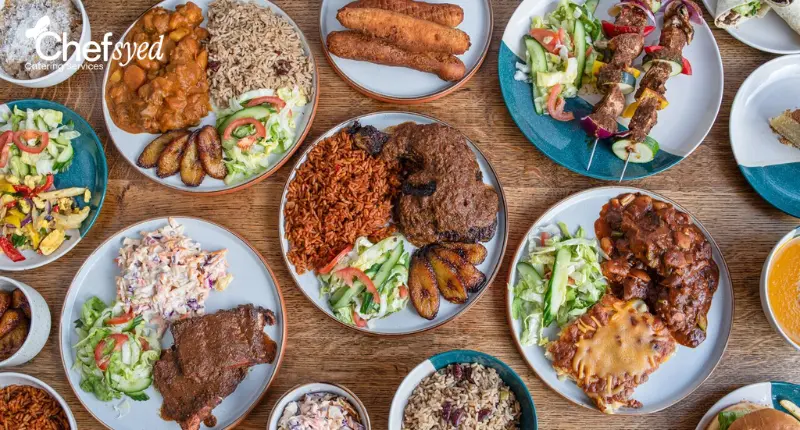
Food is only one part of the experience. Presentation and atmosphere play a major role in how your meal is received. Serve dishes family-style, use colorful plates, and garnish generously with fresh herbs or citrus wedges.
Even simple details, soft lighting, island-inspired music, and refreshing drinks can transform dinner into an experience. Restaurants influenced by concepts like the palm bay caribbean menu understand how environment enhances flavor, and you can apply the same idea at home.
The goal is to make guests feel welcomed, relaxed, and engaged.
Desserts That Complete the Island Journey
Desserts in Caribbean cuisine are comforting rather than overly indulgent. Coconut, spices, and tropical fruits take center stage, offering sweetness without heaviness.
Popular options include coconut-based puddings, fruit-forward cakes, and caramelized plantains. These desserts pair beautifully with tea or coffee and provide a satisfying conclusion to your meal.
Serving dessert after a short break allows flavors to settle and keeps the experience enjoyable rather than rushed.
Common Mistakes Home Cooks Should Avoid
Cooking Caribbean cuisine at home can be incredibly rewarding, but even small missteps can affect the final taste and authenticity. Many home cooks underestimate the importance of timing, balance, and technique. By understanding common mistakes, you can avoid pitfalls and ensure every dish on your Caribbean Menu is flavorful and well-executed.
- Rushing the cooking process
- Caribbean dishes are designed to develop flavor slowly.
- Skipping resting, marination, or simmering time results in flat, underdeveloped taste.
- Slow cooking allows spices, herbs, and aromatics to blend naturally and deeply.
- Not allowing enough marination time
- Proteins need time to absorb seasoning properly.
- Short marination leads to surface-level flavor rather than full penetration.
- Overnight marination often delivers the best results.
- Over-seasoning too early
- Spices and herbs intensify as dishes cook.
- Adding everything at once can overpower the dish.
- Gradual seasoning allows better control and balance.
- Misusing heat and spice levels
- Excessive heat can mask other flavors instead of enhancing them.
- Hot peppers should be added carefully and adjusted to taste.
- Balance heat with sweetness, acidity, or coconut-based elements.
- Relying on shortcuts that reduce authenticity
- Pre-made sauces and seasoning mixes often lack depth.
- Authentic flavor comes from fresh ingredients and proper technique.
- Taking shortcuts compromises texture, aroma, and overall quality.
- Ignoring balance in the meal
- Too many rich or spicy dishes can overwhelm the palate.
- Every meal should include contrast in flavor and texture.
- Mild sides help highlight bold main dishes.
- Cooking at the wrong temperature
- High heat can burn spices before flavors develop.
- Low, steady heat is often better for stews and sauces.
- Proper temperature control improves consistency and taste.
- Skipping tasting and adjusting during cooking
- Flavors change throughout the cooking process.
- Regular tasting helps prevent over-salting or over-spicing.
- Small adjustments make a noticeable difference.
- Overcomplicating traditional recipes
- Caribbean cooking values simplicity and intention.
- Adding unnecessary ingredients can dilute authenticity.
- Fewer ingredients, used correctly, create stronger results.
- Neglecting patience and preparation
- Thoughtful planning leads to better execution.
- Patience enhances flavor, texture, and presentation.
- Respecting these principles ensures your version of Caribbean food remains flavorful, balanced, and satisfying.
Frequently Asked Questions (FAQs)
Q1: Can these dishes be prepared ahead of time?
Yes, many recipes improve in flavor when made a day in advance.
Q2: Is this cuisine suitable for beginners?
Absolutely. Starting with simple recipes builds confidence quickly.
Q3: How can I adjust flavors for kids or elders?
Reduce heat and focus on aromatic spices and natural sweetness.
Q4: Are these meals budget-friendly?
Many dishes use affordable ingredients like rice, beans, and vegetables.
Q5: Can leftovers be frozen?
Most cooked dishes freeze well when stored properly.
Final Thoughts
Cooking Caribbean cuisine at home is about more than following recipes it’s about embracing balance, patience, and creativity. When dishes are prepared with care and respect for tradition, the result is a meal that feels comforting, exciting, and meaningful. A thoughtfully prepared Caribbean Menu brings people together, encourages shared moments, and turns simple gatherings into celebrations. By focusing on fresh ingredients, layered flavors, and intentional cooking techniques, you can confidently recreate island-inspired meals that suit your personal taste while honoring their roots. Take your time, trust your instincts, and allow the cooking process to be enjoyable rather than rushed.
Whether you are hosting guests or cooking for yourself, these flavors have the power to create lasting memories. With practice and passion, your kitchen can become a place where Caribbean warmth and hospitality come alive.