
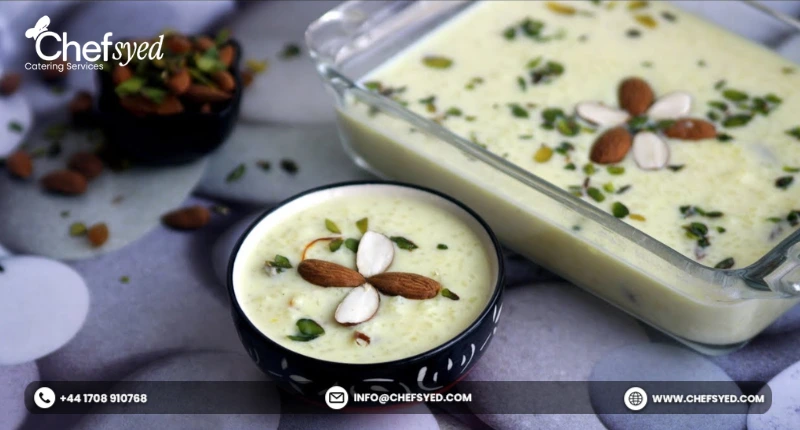
How to Make Traditional Kheer with a Modern Presentation – Complete Kheer Recipe
Few desserts hold cultural and emotional significance quite like a well-prepared kheer recipe. Served at weddings, Eid gatherings, family dinners, and celebratory milestones, this slow-cooked rice pudding represents comfort, generosity, and deeply rooted tradition across South Asia and the Middle East. For generations, it has been prepared as a symbol of celebration and shared joy, often marking life’s most meaningful occasions with its rich aroma and creamy texture. Its simplicity in ingredients contrasts beautifully with the depth of flavour achieved through patience and technique, making it both humble and luxurious at the same time.
Yet while the taste remains timeless, presentation and technique continue to evolve. Today’s home cooks and culinary professionals are reimagining this classic with refined textures, controlled sweetness, and elegant plating without losing authenticity. In this detailed guide, you’ll learn not only how to perfect the traditional method but also how to elevate it into a contemporary dessert worthy of fine dining and modern entertaining.
The Cultural Legacy of Rice Pudding
Across regions, rice-based desserts symbolise prosperity and hospitality. From Mughal-era royal kitchens to modern restaurant menus, this dish has adapted while maintaining its core ingredients: rice, milk, sugar, and aromatics.
Historically, it was cooked over a wood fire in heavy-bottomed pots, stirred patiently for hours. This slow reduction process concentrates flavour and creates its signature creamy texture. Today, while we use modern stovetops and stainless steel pans, the principle remains unchanged: time equals depth.
Understanding this heritage is essential before diving into technique. When you approach this dessert with patience and intention, the results are consistently superior.
Ingredients That Define Authentic Flavour
Quality ingredients make a measurable difference in texture and aroma.
Core Components:
- 1 liter full-fat milk
- ¼ cup basmati rice (washed and soaked)
- 4–5 tablespoons sugar (adjust to taste)
- 3–4 green cardamom pods
- 1 tablespoon sliced almonds
- 1 tablespoon chopped pistachios
- 1 tablespoon raisins (optional)
Optional Enhancements:
- A pinch of saffron soaked in warm milk
- 1–2 tablespoons condensed milk for richness
- Rose water (a few drops only)
Professional kitchens often emphasise fat content in dairy. Studies in food science show that higher milk fat increases perceived creaminess and mouthfeel, which is why full-fat milk produces superior results.
Preparation Method: Precision and Patience
Mastering this dessert begins with understanding heat control and starch release. If you’re wondering how to make a kheer that tastes professionally prepared, the answer lies in gradual cooking and consistent stirring.
Step 1: Prepare the Base
Rinse rice thoroughly until the water runs clear. Soak for 20–30 minutes to soften the grains.
Step 2: Simmer the Milk
Bring milk to a gentle boil in a heavy-bottomed pot. Reduce the heat immediately to prevent scorching.
Step 3: Add Rice
Drain and add the soaked grains. Stir gently and continuously to prevent sticking.
Step 4: Slow Reduction
Cook on low heat for 30–40 minutes. Stir every 2–3 minutes. As starch releases, the mixture thickens naturally.
Step 5: Sweeten and Flavour
Add sugar and crushed cardamom once the rice is fully tender. Avoid adding sugar too early, as it can slow softening.
Step 6: Garnish and Finish
Add nuts, saffron, or raisins. Simmer for 5 more minutes, then remove from heat.
This foundational process ensures that your kheer recipe develops authentic flavour without becoming overly thick or grainy.
Understanding Texture and Consistency
Texture is the defining quality of this dessert. It should be creamy yet slightly fluid when hot, as it thickens further while cooling.
During kheer cooking, milk reduces by nearly 30–40%, concentrating both sweetness and aroma. Professional chefs recommend stopping the heat slightly earlier than the desired consistency to account for carryover thickening.
If it becomes too thick:
- Add 2–3 tablespoons of warm milk
- Stir gently over low heat
- Avoid adding water, which dilutes flavour
Elevating the Classic with Modern Plating
Presentation transforms perception. In contemporary culinary settings, even humble dishes gain prestige through thoughtful styling.
For modern plating:
- Serve in glass dessert bowls to showcase texture
- Layer with fruit compote for contrast
- Use edible silver leaf for festive elegance
- Pipe into small cups for portion control at events
Many chefs, including Chef Syed, emphasise minimal garnish with maximum visual balance allowing the creamy base to remain the focal point.
A restaurant-style plating idea:
- Spoon a smooth layer into a shallow bowl
- Add a thin saffron streak
- Sprinkle finely crushed pistachios in a circular pattern
- Finish with micro rose petals
These subtle refinements elevate a traditional kheer recipe into a plated dessert experience.
Flavour Variations for Contemporary Palates
While tradition matters, innovation keeps recipes relevant.
1. Caramelised Milk Version
Allow milk to reduce slightly longer for a deeper colour and flavour.
2. Coconut Infusion
Replace 20% of milk with coconut milk for a tropical note.
3. Jaggery Sweetened
Use melted jaggery instead of sugar (add after removing from heat).
4. Chocolate Accent
Add 1 tablespoon of cocoa powder for fusion menus.
When exploring new ideas, balance remains critical. Too many additions overpower the delicate dairy-rice harmony.
Professional Insights on Technique
Precision defines excellence. During kheer making, temperature control is more important than ingredient quantity.
Key professional tips:
- Use a wide pan for faster reduction
- Stir from the base to prevent burning
- Slightly mash some rice grains for extra creaminess
- Never cook on high heat for extended periods
Culinary institutes teach that starch gelatinisation begins around 65–70°C. Maintaining steady low heat allows controlled thickening without curdling milk.
Storage, Serving Temperature & Shelf Life
This dessert can be served warm, chilled, or at room temperature.
Best Practices:
- Cool completely before refrigeration
- Store in an airtight container
- Consume within 48 hours
- Reheat gently with added milk
If serving at events, prepare slightly thicker than usual so it holds its structure when plated.
Whether you are following a family tradition or preparing a refined kheer recipe for guests, storage discipline ensures consistency.
Common Mistakes and How to Avoid Them
Even experienced cooks occasionally make errors.
Mistake 1: Scorched Milk
Cause: High heat
Solution: Always simmer on low and stir consistently.
Mistake 2: Undercooked Rice
Cause: Adding sugar too early
Solution: Sweeten only after the rice softens.
Mistake 3: Overly Thick Texture
Cause: Excessive reduction
Solution: Adjust with warm milk.
If you’re searching for a reliable recipe to make kheer that avoids these pitfalls, focus on patience and proportion rather than speed.
Bringing Tradition to Modern Tables
Today’s food culture values storytelling as much as flavour. Home chefs and restaurateurs alike are presenting heritage dishes in innovative formats dessert jars, plated tasting menus, or wedding dessert bars.
Despite stylistic changes, the essence remains unchanged: slow cooking, quality ingredients, and mindful stirring.
When prepared thoughtfully, a well-balanced kheer recipe bridges generation comforting elders while impressing younger audiences who appreciate aesthetics.
Conclusion
Mastering a traditional dessert requires more than memorising measurements. It demands understanding heat, texture, and balance. By respecting foundational techniques and integrating modern presentation ideas, you transform a simple dish into a refined culinary statement.
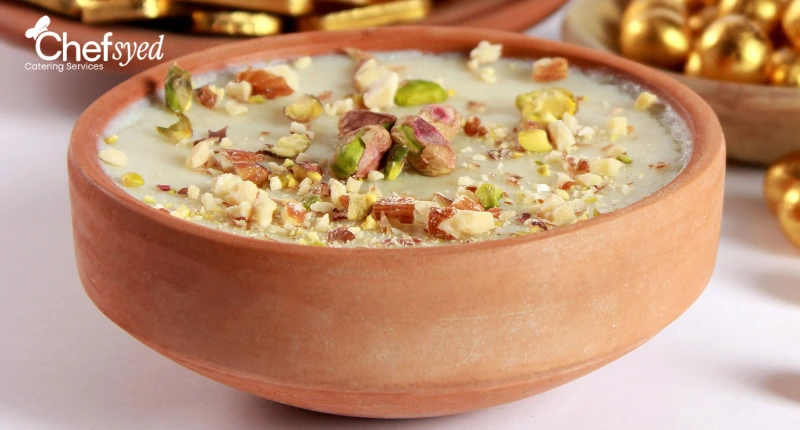
Whether served in a rustic clay bowl or plated with artistic precision, this classic rice pudding continues to symbolise celebration and hospitality. Follow the structured method outlined above, maintain patience during reduction, and experiment carefully with presentation.
In doing so, your final kheer recipe will not only taste authentic but also look exceptional proving that tradition and innovation can beautifully coexist.
Frequently Asked Questions
1. Can I prepare this dessert in advance for events?
Yes. Prepare it a day earlier, refrigerate properly, and adjust consistency before serving by adding warm milk if needed.
2. Why does my rice remain slightly firm?
This usually happens if the sweetener is added too early or if the simmering temperature is inconsistent.
3. Is full-fat dairy necessary?
For optimal creaminess and authentic texture, full-fat dairy is strongly recommended.
4. Can it be made vegan?
Yes, substitute dairy milk with almond or coconut milk and adjust the sweetness accordingly.
5. How can I create a premium restaurant-style finish at home?
Focus on smooth consistency, minimal garnish, and elegant serving bowls to enhance visual appeal.