Buffet vs Plated Service: Pros, Cons, and Costs Explained
Choosing the right meal service style is one of the most important decisions when planning an event. The way food is presented and served directly impacts guest experience, service efficiency, and overall budget. Whether you are organizing a wedding, corporate function, or intimate celebration, understanding the strengths and limitations of each option will help you make an informed choice.
The debate around Buffet vs Plated service often comes down to priorities: flexibility versus formality, cost efficiency versus controlled portions, and guest freedom versus structured dining. Each service model has its own advantages depending on the event size, audience expectations, and logistical requirements.
This guide explores the key differences, benefits, drawbacks, and cost implications of both approaches. By the end, you will have a clear understanding of which service style aligns best with your event goals, guest profile, and budget constraints.
Understanding the Two Main Meal Service Styles
Before comparing benefits and costs, it is essential to understand how each service style operates in a real-world event environment.
How a Self-Service Meal Setup Works
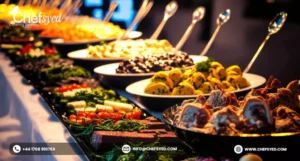
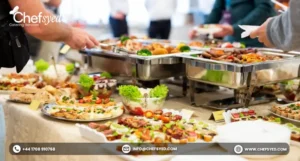
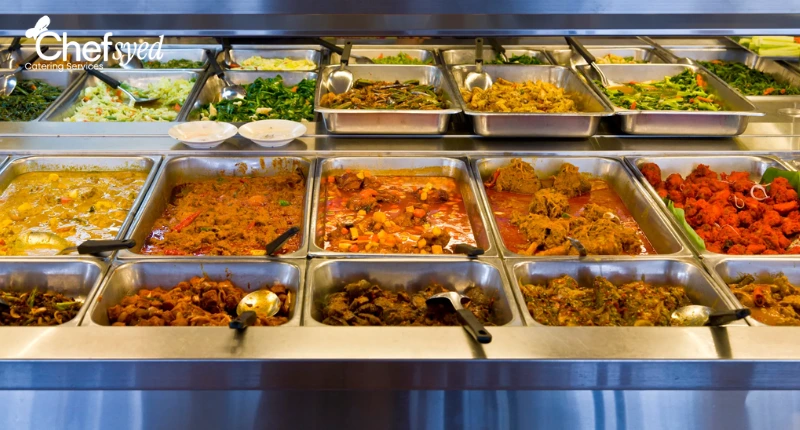
In this model, food is displayed on a central table or multiple stations. Guests serve themselves or are assisted by catering staff. This style encourages movement, interaction, and variety, making it a popular choice for relaxed gatherings.
Menus often include hot buffet meals that can be replenished quickly, ensuring food availability throughout the event. This format works especially well when guests have diverse dietary preferences.
How a Seated Meal Service Works
Here, guests remain seated while servers deliver pre-selected courses directly to the table. Meals are portioned, plated, and timed carefully to ensure consistency and elegance.
This approach creates a refined dining atmosphere and allows for precise control over presentation, portion size, and pacing. It is commonly used for formal events where structure and sophistication matter.
Key Advantages of a Self-Service Approach
This service style offers several practical and experiential benefits that appeal to both hosts and guests.
Flexibility for Guests
Guests can choose what and how much they want to eat, accommodating dietary preferences and appetites.
Menu Variety
Hosts can offer a wider selection of dishes, including vegetarian, vegan, and allergen-friendly options.
Lower Staffing Requirements
Fewer servers are needed compared to a seated service, which can reduce labor costs.
Encourages Social Interaction
Movement around the food area often sparks conversation and keeps the atmosphere lively.
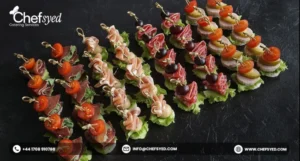
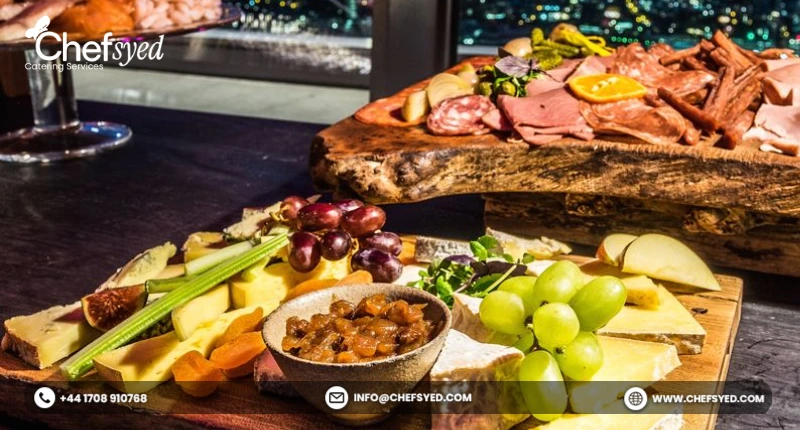
This format works particularly well for events featuring sharing platters, where communal dining enhances the social experience.
Limitations of a Self-Service Setup
Despite its flexibility, this option comes with challenges that should be considered carefully.
Queue Formation
Long lines can form during peak serving times, especially at large events.
Less Portion Control
Food consumption can be unpredictable, potentially increasing waste.
Presentation Can Decline Over Time
As guests serve themselves, displays may lose their visual appeal.
Not Ideal for Formal Occasions
For black-tie events or luxury celebrations, this style may feel too casual.
These factors often influence hosts comparing Buffet vs Plated service for upscale or time-sensitive events.
Advantages of a Seated Dining Experience
A plated service offers a polished, high-end dining experience that many hosts prefer for formal gatherings.
Elegant Presentation
Each plate is carefully arranged, ensuring a consistent visual standard for all guests.
Controlled Portions
Accurate portioning helps manage food costs and reduce waste.
Smooth Event Flow
Courses are served at scheduled intervals, keeping speeches and entertainment on track.
Enhanced Guest Comfort
Guests remain seated, allowing them to relax and enjoy uninterrupted service.
This style is especially popular for weddings, award ceremonies, and private party catering where sophistication is a priority.
Drawbacks of a Plated Service Model
While refined, this approach may not suit every event.
Higher Staffing Costs
More servers are required to deliver food simultaneously.
Limited Menu Choices
Guests usually select from two or three options in advance.
Less Flexibility
Late changes or special dietary requests can be harder to accommodate.
Longer Planning Timeline
Accurate guest counts and menu selections must be finalized early.
When weighing Buffet vs Plated service, these operational demands often influence the final decision.
Cost Comparison: What Impacts the Budget Most?
Understanding cost structures helps hosts avoid surprises during planning.
Cost Factors for Self-Service Meals
- Lower labor expenses
- Higher food quantity to prevent shortages
- Equipment rental for chafing dishes and stations
This option is often considered more economical for large gatherings.
Cost Factors for Seated Dining
- Higher labor and service fees
- Premium presentation and tableware
- Reduced food waste due to portion control
Although more expensive per guest, plated meals offer predictability and elegance.
In major metropolitan markets, pricing can vary significantly depending on venue and vendor reputation. Working with the best caterers in london often ensures transparent pricing and professional execution regardless of service style.
Event Types and Ideal Service Styles
Choosing the right format depends heavily on the event’s purpose and audience.
Corporate Events
Buffet-style meals work well for networking, while seated dining suits executive dinners.
Weddings
Formal ceremonies often favor plated meals, whereas receptions may benefit from self-service stations.
Casual Celebrations
Birthdays and anniversaries usually benefit from flexible serving formats.
Large-Scale Functions
Buffets help manage volume efficiently, especially in high-traffic venues.
Professional London catering providers often recommend hybrid solutions, combining both styles for maximum flexibility.
Making the Right Choice for Your Event
When deciding between the two options, it’s important to step back and evaluate your event holistically rather than focusing on food alone. Meal service plays a central role in shaping guest experience, event flow, and overall perception. Asking the right questions early helps avoid last-minute compromises and ensures the service style supports your broader event goals.
What is the expected guest count?
The number of attendees directly affects service efficiency and cost. Larger gatherings often benefit from formats that allow guests to move at their own pace, reducing service bottlenecks. Smaller or mid-sized events, on the other hand, can accommodate more structured service without logistical strain. Accurately estimating attendance also helps caterers plan quantities, staffing, and timelines more effectively.
How formal is the event?
Event tone matters. Corporate galas, weddings, and award ceremonies usually demand a polished dining experience that aligns with the formality of the occasion. Casual celebrations, networking events, or family gatherings may feel more natural with a relaxed serving approach. Matching service style with ambiance ensures consistency across décor, seating, and guest expectations.
What is the allocated food and staffing budget?
Budget planning should account for more than just menu prices. Staffing levels, equipment rentals, tableware, and service duration all impact final costs. Some service styles reduce labor expenses but may require higher food quantities, while others increase staffing costs but offer tighter control over portions. Understanding these trade-offs helps prevent budget overruns.
Do guests have diverse dietary needs?
Modern events often include guests with dietary restrictions, allergies, or lifestyle preferences. Consider how easily the chosen service style can accommodate flexibility without disrupting service. Accessibility and inclusivity are increasingly important factors in event planning.
How important is presentation versus flexibility?
Visual presentation influences perceived value, especially at premium events. However, guest comfort and freedom of choice can be equally impactful. Determining which element matters more to your audience will guide the final decision.
Ultimately, the ongoing discussion around Buffet vs Plated service is not about identifying a universally superior option. It’s about selecting the approach that best aligns with your event’s purpose, audience expectations, and operational priorities.
Frequently Asked Questions
1. Which service style works best for large guest lists?
For events with hundreds of attendees, self-serve formats usually manage volume more efficiently, while seated meals require more coordination and staff.
2. Is one option better for dietary accommodations?
Service models that allow guests to choose their own portions often handle dietary preferences more easily, though advance planning can make seated meals equally effective.
3. How does service style affect event timing?
Structured meal delivery helps maintain a strict schedule, while open serving formats offer flexibility but may extend dining time.
4. Can both styles be combined at one event?
Yes, many events successfully blend formats, such as seated main courses with open dessert stations.
5. Does presentation really matter to guests?
Presentation significantly influences perception, especially at formal events, but comfort and choice are equally important in relaxed settings.
Conclusion: Which Service Style Is Best?
There is no one-size-fits-all answer when choosing a meal service format. Each approach offers unique benefits and trade-offs that should align with your event vision, guest expectations, and budget realities.
A buffet-style service delivers flexibility, variety, and cost efficiency, making it ideal for relaxed and high-volume events. A plated service, on the other hand, provides elegance, structure, and a refined guest experience suited to formal occasions.
By carefully evaluating logistics, costs, and atmosphere, hosts can confidently choose the option that enhances their event rather than complicates it. In the ongoing comparison of Buffet vs Plated, the best decision is the one that serves both your guests and your goals seamlessly.