
Buffet vs Plated: Pros, Cons, and Costs Explained
Buffet vs plated comes down to your budget, guest count, and the vibe you want. Buffets offer variety, flexibility, and a relaxed feel, while plated service delivers elegance, portion control, and a polished experience. Buffets often suit larger, casual events, and plated meals shine at smaller, formal gatherings.
So, you’re planning an event, and you’ve hit that one big question: should you go for a buffet or a plated dinner? Trust me, you’re not alone! This decision trips up so many first-time hosts, and it’s a bigger deal than most people realize. The food service style shapes everything: the mood, the flow of the evening, and yes, your bottom line.
Here’s the good news: there’s no single “right” answer. The best choice depends on your guests, your space, and what kind of experience you want to create. A buzzy birthday bash calls for something different than a sit-down anniversary dinner, right?
In this guide, we’ll break down the real pros, cons, and costs of each option in plain, friendly language. By the end, you’ll know exactly which style fits your event and feel confident booking it. Let’s dig in!
What Is Buffet Service and How Does It Work?
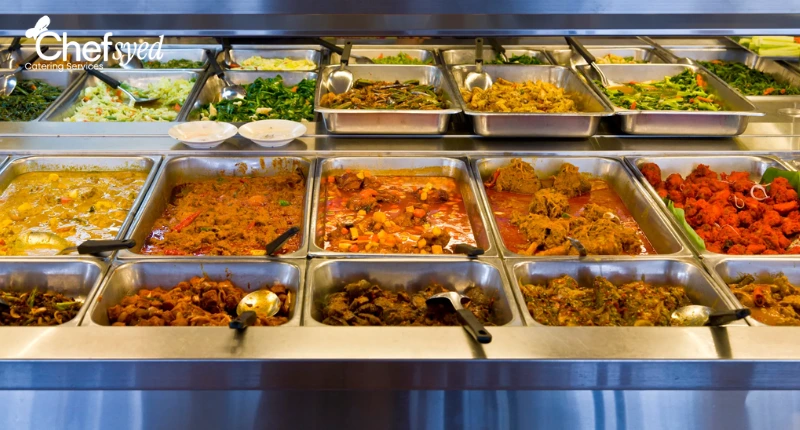
Buffet service is a self-serve setup where guests help themselves from a spread of dishes laid out on tables. Think generous platters, warming trays, and a happy line of people loading up their plates. It’s casual, social, and full of choice.
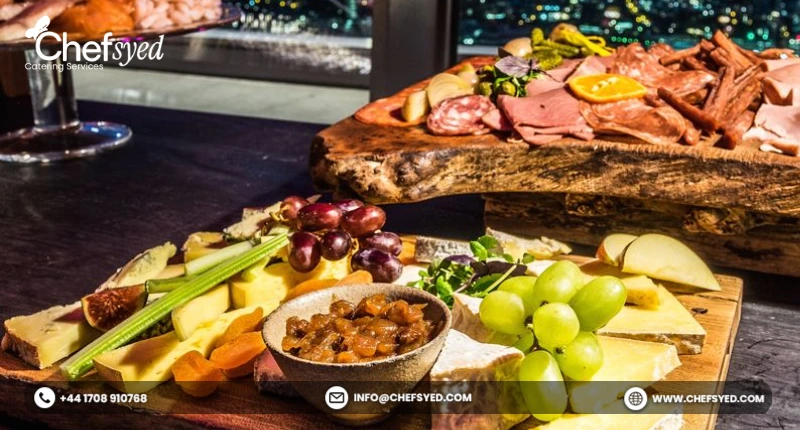
Buffets come in many forms. You might offer hot buffet meals like curries, roasted meats, and pasta bakes, or lean into sharing platters packed with mezze, cheeses, and finger foods. Many hosts mix both for the best of both worlds. If you want to see how varied these spreads can get, explore hot buffet meals for some delicious inspiration.
What Are the Pros of Buffet Service?
Buffets bring a lot to the table, literally! Here’s why so many hosts love them:
- More variety: Guests can pick and choose from several dishes, so picky eaters and adventurous foodies are both happy.
- Easier for dietary needs: With multiple options, vegetarians, vegans, and gluten-free guests can serve themselves with ease.
- Lower staffing costs: A buffet typically needs about 1 server per 20 guests, compared to 1 per 10 for plated meals (Premier Staff). Fewer staff means lower labor costs.
- A social, relaxed vibe: People mingle, get up, and chat as they grab food. It’s perfect for casual celebrations.
- Great for big groups: Buffets scale up beautifully, making them a favorite for large parties and weddings.
What Are the Cons of Buffet Service?
Buffets aren’t flawless, though. Keep these drawbacks in mind:
- More food (and more waste): Caterers often prepare around 20% more food for a buffet than a plated meal (The Knot). Sadly, nearly half the food at buffets can go to waste, according to research from the University of California, Berkeley.
- Higher food costs: That extra food drives up ingredient bills, which sometimes cancel out the staffing savings.
- Lines and waiting: Big crowds can mean queues, especially if there’s only one serving station.
- Less formal feel: Buffets lean casual, so they may not suit a black-tie affair.
- Temperature troubles: Keeping hot buffet meals hot (and cold dishes cold) takes careful equipment and timing.
What Is Plated Service and How Does It Work?
Plated service is the classic sit-down dinner. Guests stay seated while servers bring each course straight to the table, beautifully arranged. It’s elegant, organized, and feels wonderfully special.
This style gives you full control over portions and presentation. Every plate looks the same, every guest is served at once, and the whole evening flows like a well-rehearsed performance. It’s the go-to choice for weddings, galas, and intimate dinners where you want to impress.
What Are the Pros of Plated Service?
Plated meals offer a polished experience that’s hard to beat. Here’s what makes them shine:
- Elegant and formal: Nothing says “special occasion” like a beautifully plated dish arriving at your table.
- Portion control: Chefs decide the serving sizes, which slashes food waste and keeps costs predictable.
- No lines or crowding: Guests stay seated and relaxed, with no juggling plates or waiting in queues.
- Better presentation: Each plate is styled by the kitchen, so the food looks stunning.
- Smooth flow: Courses arrive on schedule, giving the evening a graceful rhythm.
What Are the Cons of Plated Service?
Plated service has its trade-offs too. Here’s what to watch for:
- Higher staffing costs: You’ll need roughly 1 server per 10 guests, which adds up fast (Premier Staff).
- Less choice: Guests usually pick from a limited menu in advance, so spontaneous cravings are out.
- Trickier for dietary needs: Every special meal must be tracked and matched to the right guest.
- Less mingling: Because everyone stays seated, the social, roam-around energy of a buffet is missing.
- More planning: You’ll need final headcounts and meal choices well ahead of time.
How Much Do Buffet and Plated Service Cost?
Now for the question everyone asks: which one is cheaper? The honest answer is it depends! Let’s break down what really drives the price.
People often assume buffets are the budget pick. But here’s a surprise: food prices stay the same no matter the service style (Kahn’s Catering). So the real cost difference comes from two things: food volume and staffing.
Here’s how it shakes out:
- Food costs favor plated meals. Because caterers prepare about 20% less food for plated service (The Knot), you waste less and spend less on ingredients.
- Staffing costs favor buffets. With just 1 server per 20 guests versus 1 per 10 for plated, buffets keep labor costs down (Premier Staff).
- Guest count tips the scales. For most mid-to-large events, buffet catering tends to cost less per head thanks to lower staffing needs. But for smaller guest counts, plated dinners can actually come out cheaper (Davoli’s Catering).
So which should you choose for your budget?
- Choose a buffet if you’re hosting a large group and want to keep staffing costs low.
- Choose plated service if you’re hosting a smaller, formal event where portion control and elegance matter more than menu variety.
Planning a celebration in the capital? Costs and styles can vary by location, so it pays to compare local options. Learn about private party catering to see what fits your event, or browse trusted London catering services for tailored quotes. And don’t forget that sharing platters can be a clever middle ground, offering buffet-style variety with a more curated, grazing feel.
Choosing the Right Service for Your Event
Here’s my honest take after weighing it all up: there’s no universal winner in the Buffet vs Plated debate. It all comes down to your event, your guests, and your goals.
Go with a buffet if you love variety, you’re feeding a big crowd, and you want a relaxed, social atmosphere. Buffets shine at casual parties, family gatherings, and laid-back weddings, especially when you fill them with crowd-pleasing hot buffet meals and generous sharing platters.
Choose plated service if elegance, portion control, and a polished flow are your priorities. It’s the dream for intimate dinners, formal weddings, and milestone celebrations where you want every detail to feel just right.
And remember, you don’t have to pick a rigid one or the other! Many caterers happily blend styles, say, a plated starter followed by a buffet main to give you flexibility and flair. The key is to talk through your vision with a caterer who gets it.
Ready to take the next step? Explore private party catering options, request a few quotes, and taste-test where you can. Your perfect event is closer than you think. Happy planning!
Frequently Asked Questions
Is a buffet or a plated meal cheaper?
It depends on your guest count. Buffets often cost less per head for large events thanks to lower staffing needs (1 server per 20 guests). Plated meals can be cheaper for smaller groups because caterers prepare around 20% less food, reducing waste and ingredient costs.
Which service style creates less food waste?
Plated service creates less waste. Caterers prepare about 20% less food for plated meals than for buffets, and chefs control every portion. Buffets, by contrast, can waste nearly half their food, according to University of California, Berkeley research.
What service style is best for a formal event?
Plated service is the best fit for formal events. It offers elegant presentation, controlled portions, and a smooth, seated dining flow that suits weddings, galas, and milestone celebrations.
Can I combine buffet and plated service?
Yes! Many caterers offer hybrid options, such as a plated starter followed by a buffet main, or sharing platters alongside a plated dessert. This blend gives you variety and elegance in one menu.
What are sharing platters and how do they fit in?
Sharing platters are generous boards of food like mezze, cheeses, or finger foods placed at the center of each table for guests to graze on together. They offer buffet-style variety with a more curated, social feel, making them a great middle ground.