
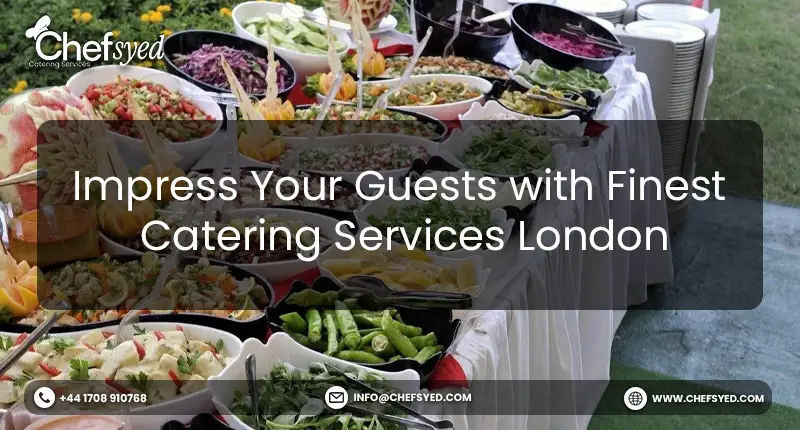
Impress Your Guests with Finest Catering in London
Finest Catering can turn a normal London event into a calm, polished, and memorable guest experience. The key is not only the food. It is the way the food fits the people, place, timing, safety needs, and purpose of the event.
If you are planning a wedding, business lunch, private dinner, product launch, charity gala, or family celebration, catering becomes one of the first things guests judge. They may not notice the supplier list, the prep sheet, or the kitchen timing, but they will notice cold food, long queues, unclear allergens, or a menu that does not suit the room.
The UK catering services industry is reported at about £1.5 billion in 2026, which shows how central catering remains to events and hospitality. The UK events sector has also been reported at over £61 billion in economic value, with business events forming a major share.
The best catering choice is the one that makes your guests feel considered before they even take the first bite.
How Does Finest Catering Improve a London Event?
Finest Catering improves a London event by aligning menu design, service flow, guest needs, and venue logistics into one clear plan. When those parts work together, your event feels easy for guests and controlled for the host.
Problem: Many hosts choose dishes first and think about service later. This creates slow queues, crowded buffet points, late starters, and confused guests.
Mechanism: Catering works best when the menu follows the event format. A standing networking event needs clean canapés or bowl food. A formal wedding may need plated service. A team lunch may need quick, balanced portions with vegetarian, halal, vegan, gluten-free, and dairy-free options clearly labelled.
Evidence: London events often involve mixed guest groups, tight venue schedules, and strict setup windows. The Food Standards Agency food hygiene rating system lets people check how seriously a food business handles hygiene standards.
Solution: Start with your event purpose, then build the food around it. For example, if your event is a two-hour corporate reception, guests need small items they can eat while holding a drink. If your event is a six-hour wedding, you need a stronger plan with arrival drinks, starters, mains, dessert, tea, coffee, and late evening food.
Practical Example
For a private party catering with canapés in London, avoid sauces that drip, dishes that need knives, and items that collapse after ten minutes. Choose food that holds shape, looks good on trays, and can be served in waves.
What Should You Look for Before Choosing a Caterer?
You should look for clear safety standards, menu flexibility, service planning, realistic pricing, and proven experience with London venues. A strong caterer explains the process without hiding behind vague promises.
Problem: Guests remember catering mistakes more than catering claims. A late main course, a missing vegan option, or a poor allergen answer can damage the mood fast.
Mechanism: Good catering depends on systems. These include supplier checks, prep schedules, labelled ingredients, refrigeration, transport timing, staff briefing, and a clear point of contact.
Evidence: UK food businesses must provide required food information, and allergen guidance covers 14 major allergens that need serious handling. This matters because one unclear ingredient can create a health risk and a trust issue.
Solution: Ask direct questions before booking. You do not need to be a food expert. You need clear answers.
Simple Checklist
- Do they explain allergen handling in plain language?
- Can they show a current food hygiene rating?
- Do they visit or check the venue layout before the event?
- Do they provide a run sheet for service timing?
- Can they handle halal, vegan, vegetarian, gluten-free, nut-free, and dairy-free requests?
- Do they explain staffing levels for your guest count?
- Do they have a backup plan for traffic, access, and equipment issues?
A caterer who can explain risk clearly is usually safer than one who only talks about presentation.
Why Do London Catering Logistics Matter So Much?
London catering logistics matter because traffic, venue rules, loading access, lifts, parking, and tight event schedules can affect food quality. Even excellent food can feel poor if the delivery and service plan is weak.
Problem: Many London venues look simple from the guest side but are hard from the service side. A listed building, rooftop space, gallery, hotel, office tower, or private home can all create hidden catering problems.
Mechanism: Food must move from prep kitchen to vehicle, from vehicle to venue, from holding area to service point, then from service point to guest. Each stage can affect timing, heat, texture, safety, and presentation.
Evidence: Event catering guidance often treats mobile and temporary food service as higher risk because food may be prepared, transported, held, and served outside a normal kitchen setup.
Solution: Build a logistics brief before finalising the menu. Include delivery windows, lift access, power points, water access, waste rules, table layout, guest flow, and emergency contacts.
Practitioner Perspective
In real catering briefs, the weakest point is often not the food. It is the space between the kitchen and the guest room. If the venue has one small lift and service staff must share it with guests, plated service will slow down. In that case, bowl food, stations, or staggered service may work better.
Which Menu Style Works Best for Your Guests?
The best menu style is the one that suits your event format, guest behaviour, and service space. You should choose the format after thinking about how people will move, talk, sit, and eat.
Problem: Hosts often copy menu ideas from another event. That can fail because a wedding breakfast, boardroom lunch, garden party, and product launch all need different food rhythms.
Mechanism: Menu-style controls movement. Canapés keep people mobile. A buffet creates choice but can create queues. Plated service feels formal but needs more staff and tighter timing. Bowl food gives warmth and comfort without fixed seating.
Evidence: Business events are a major part of the UK events economy, with conferences, meetings, and exhibitions forming a large share of reported event value. These formats need food that supports networking rather than interrupts it.
Solution: Pick the menu style based on the event job.
Event Type | Better Menu Fit | Why It Works |
Networking event | Canapés and bowl food | Guests can move and talk |
Wedding reception | Plated meal or shared feast | Feels structured and social |
Business lunch | Buffet or boxed premium lunch | Saves time and supports choice |
Private dinner | Plated or family style | Feels personal and relaxed |
Product launch | Small plates and drinks | Keeps attention on the launch |
Outdoor party | Stations and sturdy dishes | Handles movement and weather |
Food should support the reason people came, not compete with it.
How Can You Handle Allergens and Dietary Needs Properly?
You handle allergens and dietary needs properly by collecting guest information early, confirming ingredients, labelling dishes clearly, and briefing staff before service begins. The first answer guests receive should be accurate.
Problem: Dietary needs are often handled too late. That creates stress for guests and pressure for staff during service.
Mechanism: A safe process starts with RSVPs. You collect dietary needs, share them with the caterer, confirm the menu, label dishes, brief servers, and keep allergen information available at the event.
Evidence: UK allergen guidance identifies 14 major allergens, including cereals containing gluten, crustaceans, eggs, fish, peanuts, soybeans, milk, nuts, celery, mustard, sesame, sulphur dioxide and sulphites, lupin, and molluscs.
Solution: Treat dietary planning as part of guest care. Do not hide it in small print. Ask guests early and keep a final list by name or table.
First-Hand Experience Signal
A practical observation from event planning documents is that vague labels cause the most confusion. “Vegan option available” is weaker than “Roasted cauliflower bowl, vegan, contains sesame.” Specific labels reduce questions and help service staff answer with confidence.
What 2026 Catering Trends Should You Watch?
You should watch AI-assisted planning, lower-waste menu design, and more transparent sourcing in 2026. These trends are practical because they help you plan faster, spend more carefully, and meet guest expectations.
Problem: Event costs have risen, and hosts are under pressure to make better choices without lowering quality. Hospitality businesses have faced higher labour, energy, food, and insurance costs in recent years.
Mechanism: The 2026 shift is about smarter planning. AI can help estimate portions, group dietary needs, write menu cards, and compare service formats. Sustainability tools can track food waste. First-party guest data can improve menu fit.
Evidence: UK hospitality has been reported as a major tax, export, and investment contributor, showing its role beyond food alone. At the same time, cost pressure across restaurants and hospitality has made planning accuracy more important.
Solution: Use trends only when they improve the guest experience. Do not add technology for show. Use it to answer real planning questions.
Three Future-Focused 2026 Trends
- AI-supported catering plans
AI can help sort dietary notes, estimate rough portion demand, draft menu cards, and build service run sheets. A human still needs to check taste, safety, and venue reality. - Waste-aware menus
Expect more seasonal ingredients, smaller plate options, smarter portion planning, and donation or composting policies where allowed. - Clear sourcing and supplier stories
Guests increasingly care where food comes from. A short note such as “Kent apples, British rapeseed oil, London bakery bread” can make the menu feel grounded.
AI Impact Discussion
AI can help you plan, but it should not replace a caterer’s judgement. It can group RSVPs, flag repeated dietary needs, estimate service pressure, and create draft allergen cards. The risk is false confidence. Always check AI output against supplier data, food safety rules, and final recipes.
How Can You Impress Guests Without Overspending?
You can impress guests without overspending by focusing your budget on timing, temperature, service flow, and two or three memorable food moments. Guests value comfort and care more than a crowded menu.
Problem: Hosts often add too many dishes to look generous. This can increase waste, slow service, and make the menu feel scattered.
Mechanism: A tighter menu is easier to prepare, hold, serve, and explain. It also helps the catering team protect quality.
Evidence: Food waste and cost control have become key issues across hospitality as ingredient and labour costs remain sensitive. A simple menu with strong execution often performs better than a wide menu with uneven quality.
Solution: Choose fewer dishes and make each one count. For example, use one strong vegetarian main, one meat or fish main, two sides, a clear dessert, and one late snack if the event runs long.
Original Observation
The most overlooked guest comfort factor is pacing. Guests forgive a simple menu if service is smooth. They remember standing hungry for thirty minutes more than they remember whether the garnish was rare.
Conclusion
Finest Catering is not just about premium food. It is about making your London event feel thoughtful, safe, timely, and easy for every guest.
When you plan catering well, you reduce stress before the event begins. You know the menu fits the room. You know the dietary needs are covered. You know the service team understands timing. You know guests can eat, talk, move, and enjoy the moment without confusion.
For 2026, the smartest approach is simple. Use good data, clear guest information, strong safety checks, and a menu that matches the event. That is how Finest Catering becomes more than food on a table. It becomes part of the memory your guests take home.
FAQ
1. What is Finest Catering in London?
Finest Catering in London means high-quality event food supported by safe handling, clear planning, trained staff, and strong service timing.
2. How do I choose the right catering style for my event?
Choose the catering style based on how your guests will move, sit, talk, and eat during the event.
3. What should I ask a London caterer before booking?
Ask about food hygiene ratings, allergen handling, staffing levels, venue access, service timing, and backup plans.
4. Is buffet catering better than plated service?
Buffet catering is better for choice and casual flow, while plated service is better for formal timing and a seated guest experience.
5. How early should I collect dietary requirements?
Collect dietary requirements during the RSVP stage so the caterer has time to plan ingredients, labels, and service notes.
6. Can AI help with catering planning?
Yes, AI can help organise guest data, estimate menu needs, and draft planning documents, but a human must verify safety and supplier details.
7. What makes catering feel premium to guests?
Catering feels premium when food is served at the right time, staff are briefed, labels are clear, and the menu fits the event.