When to Choose Hot Buffet Catering for Your Event
Selecting the right food service format can shape how guests experience your event – from how smoothly conversations flow to how memorable the meal feels. A hot buffet often stands out as a flexible, crowd-pleasing option, but it isn’t always the best fit for every occasion. Understanding when to choose this format requires looking beyond menu preferences and into guest profiles, venue logistics, timing, and overall objectives.
This guide breaks down the scenarios where this approach shines, where it may fall short, and how to decide with confidence. You’ll find practical considerations, planning tips, and strategic insights drawn from real-world event execution. Whether you’re organising a corporate gathering, a wedding celebration, or a community fundraiser, the goal is simple: align food service with experience design so your event runs smoothly and leaves guests satisfied.
What Defines This Style of Service?
Before deciding if it’s right for your event, it helps to clearly understand the defining characteristics and how this service style functions in real-world settings. Knowing these fundamentals allows event planners to assess whether it aligns with guest expectations, venue capacity, and overall event flow.
Core Characteristics
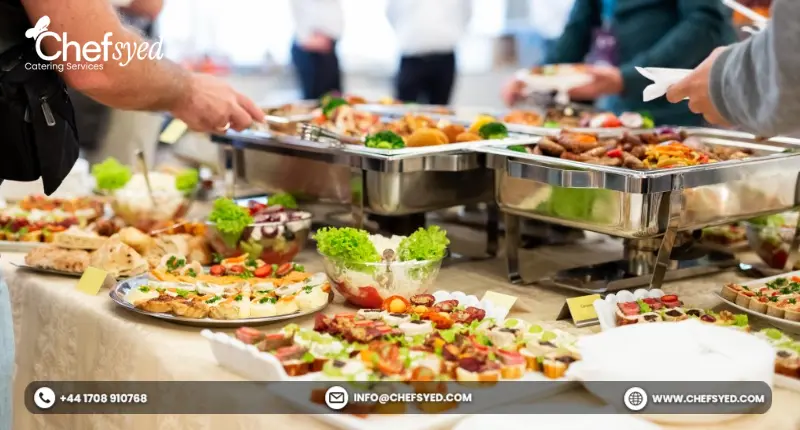
- Self-service with structure: Guests move through a clearly organised serving line, guided by a logical layout that prevents congestion and keeps the experience smooth and intuitive. This structure allows attendees to serve themselves comfortably without feeling rushed or confused.
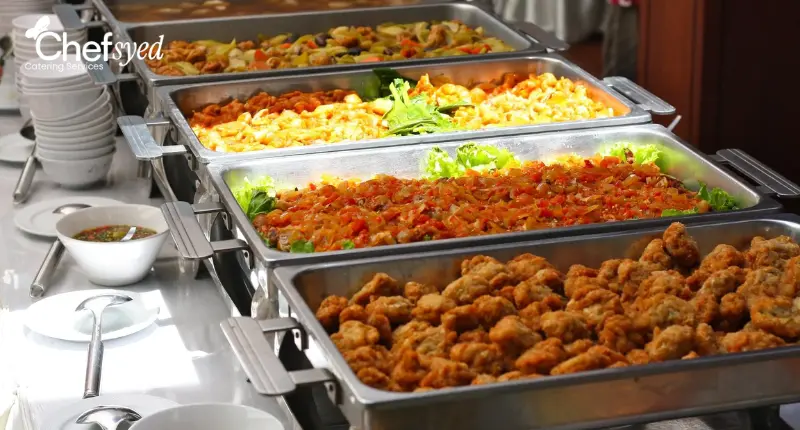
- Temperature-controlled dishes: Food is kept at safe, appetising heat levels using professional warming equipment. This ensures consistency in taste, texture, and food safety throughout the service period, even during longer events.
- Menu variety: Multiple mains, sides, and accompaniments are presented at the same time, giving guests freedom of choice. This variety accommodates different preferences and dietary needs without requiring individual customisation.
- Scalability: The setup works efficiently for medium to large guest counts, eliminating the need for tightly scheduled service windows or complex table coordination.
Unlike plated dining, this format prioritises guest choice and flexible pacing over synchronised courses. Compared to live stations, it is generally more cost-efficient, easier to staff, and simpler to manage logistically, making it a practical option for many event types.
Events Where This Format Works Best
1. Large Guest Counts with Varied Preferences
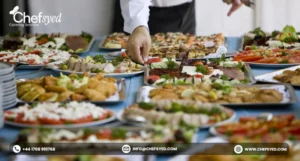
When your attendee list is long and diverse, menu flexibility becomes critical. Offering a range of dishes allows guests to build plates that suit dietary needs and personal tastes without the kitchen producing dozens of custom plates. In these scenarios, a hot buffet minimises bottlenecks while maximising satisfaction, especially when paired with clear signage and multiple serving lines.
2. Informal to Semi-Formal Gatherings
This approach is ideal when the atmosphere encourages movement and mingling. Think:
- Company milestone celebrations
- Cultural or community events
- Birthday parties and anniversaries
For such occasions, hot buffet catering balances professionalism with approachability, keeping service smooth without feeling overly rigid.
Timing Matters: When Schedule Flexibility Is Key
One of the biggest advantages of this service format is its ability to adapt smoothly to timing changes without disrupting the guest experience. Events rarely run exactly to schedule, and meal service should support the flow rather than become a constraint. This approach allows food to integrate naturally into the event timeline, even when agendas shift or activities extend longer than expected.
Why It Helps
- Guests can eat as they arrive rather than waiting for a fixed service moment, reducing crowding and eliminating long queues at peak times.
- Speeches, presentations, or performances can continue without pressure to pause or rush, keeping the event’s momentum intact.
- Food remains available for latecomers within a defined service window, ensuring no guest feels excluded or rushed through their meal.
This flexibility makes the format especially effective for conferences, networking evenings, exhibitions, and multi-session events where attendance fluctuates, and guest movement is continuous rather than centralised.
Menu Strengths and Limitations
Choosing the right dishes is essential to maintaining quality and guest satisfaction throughout service. Some menu items naturally perform better in this format, while others require more careful consideration due to preparation or presentation demands.
Where the Menu Excels
- Comfort-driven cuisines such as curries, roasts, stews, and baked dishes perform exceptionally well, as they are designed to be served warm and enjoyed over time.
- Items that hold texture and flavour remain appealing even after extended periods, ensuring consistency from the first serving to the last.
- Sauced mains that retain moisture stay tender and visually appetising, reducing the risk of drying out under heat.
A hot food buffet allows these dishes to shine, delivering reliable quality and a satisfying experience across longer service windows.
Where Caution Is Needed
- Delicate seafood that can overcook quickly
- Items requiring last-second plating finesse
- Highly temperature-sensitive preparations
In these cases, alternative service styles may better protect food quality, presentation, and overall dining experience.
Guest Experience: Autonomy vs. Formality
Why Guests Appreciate Choice
Autonomy plays a big role in perceived satisfaction. When attendees choose portion sizes and combinations, food waste often drops while enjoyment increases.
This is particularly true when serving hot buffet meals at family-friendly events or multicultural gatherings, where preferences vary widely.
Managing Flow and Comfort
To maintain a positive experience:
- Use multiple identical serving stations for large groups
- Position cutlery and plates strategically
- Ensure staff are present to assist and monitor replenishment
Venue and Logistical Considerations
Not every location is equally suited to this setup.
Ideal Venue Traits
- Sufficient floor space for serving lines
- Access to power for warming equipment
- Clear traffic flow between dining and seating areas
Professional catering services in London often conduct site visits in advance to confirm these details, preventing last-minute issues.
Budget Implications
Compared to plated service, this format can reduce staffing costs whilst maintaining quality, especially for larger guest counts. However, savings should never come at the expense of food safety or presentation.
Seasonal and Cultural Fit
Seasonal Alignment
Warm, hearty dishes feel most appropriate during cooler months or evening events. In summer daytime settings, lighter or mixed-temperature service may feel more comfortable.
Cultural Expectations
In many cultures, shared dining and variety symbolise hospitality. In others, formal plated meals carry more prestige. Understanding your audience ensures the service style reinforces, not contradicts, expectations.
When to Reconsider This Option
Despite its strengths, this approach isn’t universal.
You may want alternatives if:
- The event is highly formal with strict timelines
- The guest count is very small (under 20)
- The menu relies heavily on fragile presentation
In such cases, plated or station-based service may better support your goals.
Making the Final Decision
When aligned with event size, timing, and guest expectations, a hot buffet delivers efficiency, flexibility, and satisfaction in equal measure. The key is intentional planning – choosing menus that hold well, venues that support the setup, and partners with operational experience. Many planners rely on established London catering services. For precisely this reason: expertise reduces risk while elevating execution.
Conclusion: Strategy Before Service Style
Choosing a food service format isn’t about following trends; it’s a strategic decision that should support the purpose and flow of your event. When priorities include guest freedom, flexible timing, and efficient use of budget at scale, a hot buffet often emerges as a highly effective option. It allows attendees to engage with the event on their own terms, eat when it suits them, and select dishes that match their preferences, all while reducing operational pressure on the service team.
To make this approach successful, early evaluation is essential. Consider the profile of your audience, the physical layout of the venue, and the overall tone you want to set. A well-planned setup, thoughtful menu design, and clear service flow can elevate the dining experience rather than making it feel purely functional. When executed with intent, this service style moves beyond logistics and becomes an integrated, seamless part of the event one that supports engagement, comfort, and lasting positive impressions.
Frequently Asked Questions
1. Is self-service suitable for professional events?
Yes, when designed thoughtfully with clear flow and attentive staff, self-serve meal formats can feel polished and efficient rather than casual.
2. How can food quality be maintained over time?
Temperature-controlled equipment, staggered replenishment, and menu items designed to hold well are the most effective methods.
3. What guest count benefits most from this approach?
Medium to large gatherings typically see the greatest efficiency gains, though it can work for smaller groups seeking variety.
4. Are dietary needs easy to accommodate?
Absolutely. Offering multiple mains and sides makes it easier to include vegetarian, gluten-free, or allergy-aware options without custom plating.
5. How early should planning begin?
Ideally, discussions should start several weeks in advance to allow menu testing, venue checks, and service flow planning.